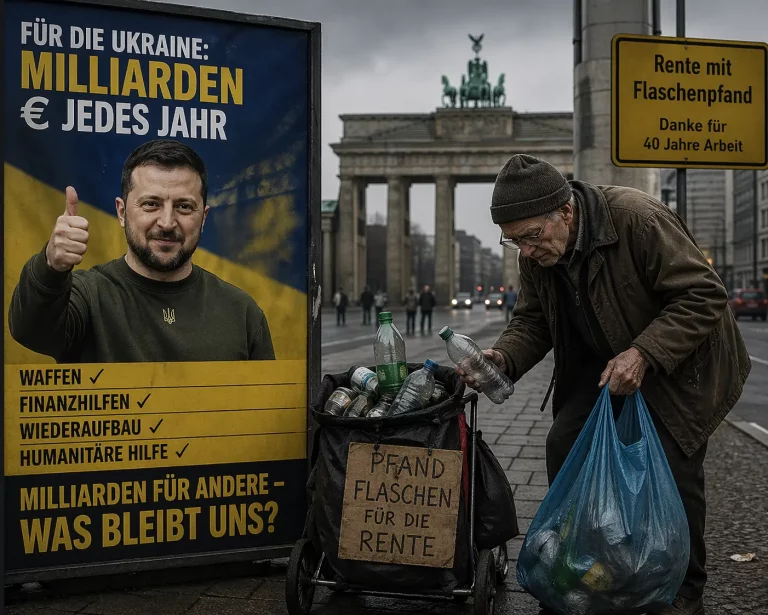
Retirement Risk in Germany 2026: Can Skilled Workers Face Old-Age Poverty?

Retirement Risk in Germany 2026: Why Some Skilled Workers Face Financial Pressure in Old Age
Germany provides one of the most comprehensive social systems in Europe. However, structural changes in demographics, taxation and pension design are creating long-term financial pressure for certain groups of skilled workers. In specific income ranges, the combination of contributions, living costs and pension replacement rates can lead to limited retirement income.
1. When Retirement Risk Becomes Relevant
Old-age poverty is not automatic, but it becomes statistically more likely under certain conditions:
- Long-term income in lower to mid-wage ranges
- Gaps in employment or contribution years
- No additional private or occupational pension savings
- High housing costs in retirement
- Late career entry or interrupted careers
2. Example: Skilled Worker Pension Outlook (Electrician Model)
| Factor | Germany | Switzerland |
|---|---|---|
| Monthly pension (average skilled worker) | ~€1,500 | ~CHF 3,800 |
| Estimated net replacement rate | ~45–55% of income | ~60–70% (combined system) |
| System type | Mainly pay-as-you-go | 3-pillar system |
3. 13-Year Retirement Projection
A simplified comparison of total retirement income illustrates the long-term gap:
- Germany: €1,500 × 156 months ≈ €234,000
- Switzerland: €3,800 × 156 months ≈ €592,800
This difference reflects system design, wage levels and pension structure rather than individual failure.
4. Why the Risk is Structurally Higher in Germany for Some Groups
Old-age poverty risk is concentrated in specific economic segments rather than affecting all workers equally. The main structural drivers are:
- High tax and social contribution burden during working life
- Moderate statutory pension levels for middle incomes
- Rising cost of living and housing in many regions
- Limited capital accumulation without private investment
5. International Comparison Effect
Countries such as Switzerland, the Netherlands or Denmark rely more heavily on mixed pension systems combining state, occupational and private components. This diversification often leads to higher total retirement income for skilled workers with stable careers.
Conclusion
Germany does not automatically lead to old-age poverty for skilled workers. However, under certain income and career conditions, the risk of relatively low retirement income increases significantly without additional private provision.
This is why international comparisons have become a key factor in long-term financial planning for younger professionals.
Disclaimer
This article provides general economic and structural information only. It does not constitute financial, legal or migration advice. Individual outcomes vary based on career path, savings behavior and personal circumstances.